
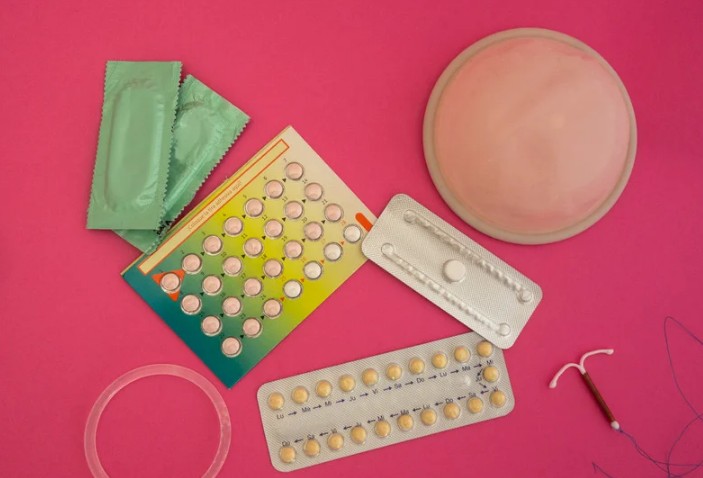
When most people think about contraception, preventing pregnancy is usually the first thing that comes to mind. But did you know that many types of contraception can also help with other health issues; like acne, painful periods, and conditions such as endometriosis or PCOS (polycystic ovary syndrome)?
Contraception isn’t one-size-fits-all, and some methods can have benefits that go far beyond birth control. Here’s how.
Helping to Regulate Bleeding
If your periods are heavy, irregular, or particularly painful, certain hormonal contraceptives can help make things more manageable.
Combined methods (like the pill, patch, or vaginal ring) can help regulate your cycle, making your periods more predictable and often lighter and less painful. Some people even use these methods to safely skip their periods altogether.
The hormonal IUS (intrauterine system), such as the Mirena coil, can also reduce bleeding and cramping, some people stop having periods altogether after a few months of use.
Please note, we supply primarily for contraception use and may not be able to supply for other reasons such as regulating bleeding. Your GP may be able to help with this or provide further advice.
Improving Acne and Skin Health
Hormonal changes are a big factor behind acne. The combined contraceptive pill can help by balancing hormone levels, reducing oil production in the skin, and preventing breakouts.
Not all contraceptive pills have this effect, so it’s best to discuss with a clinician which option might be most suitable for you, especially if clear skin is one of your goals.
Please note, we supply primarily for contraception use and may not be able to supply for other reasons such as improving skin health. Your GP may be able to help with this or provide further advice.
Supporting People With PCOS
Polycystic ovary syndrome (PCOS) is a hormonal condition that can cause irregular periods, excess hair growth, and acne.
The combined pill can help regulate hormones and menstrual cycles, reducing some of these symptoms. It can also help protect the lining of the womb, which may be at risk if you’re not having regular periods.
Please note, we supply primarily for contraception use and may not be able to supply for other reasons such as PCOS. Your GP may be able to help with this or provide further advice.
Managing Endometriosis Symptoms
Endometriosis occurs when tissue like the lining of the womb grows elsewhere in the body, causing pain and inflammation.
Hormonal contraceptives, particularly the pill, patch, ring, injection, or IUS, can help by reducing or stopping periods altogether. This can lessen pain and prevent the endometrial tissue from thickening each month.
Please note, we supply primarily for contraception use and may not be able to supply for other reasons such as Endometriosis Symptoms. Your GP may be able to help with this or provide further advice.
Reducing PMS and PMDD Symptoms
Premenstrual syndrome (PMS) and premenstrual dysphoric disorder (PMDD) can cause mood swings, fatigue, and other physical symptoms.
Some contraceptive methods help keep hormone levels steady throughout your cycle, which can ease emotional and physical PMS symptoms.
Please note, we supply primarily for contraception use and may not be able to supply for other reasons such as PMS and PMDD. Your GP may be able to help with this or provide further advice.
It’s About More Than Birth Control
Contraception can play a big part in supporting overall wellbeing, not just preventing pregnancy. Everyone’s body is different, and what works well for one person might not suit another.
If you’re considering contraception for any reason, whether it’s for birth control, managing your periods, improving skin, or easing symptoms of a condition, our team can help you find the best option for your body and lifestyle.
We’re Here to Help
At Essex Sexual Health Service, our clinics offer free, confidential contraception advice and support for everyone. You don’t need a GP referral, and we’ll help you find the method that works best for your needs. For the topics mentioned above, do contact your GP if you feel further guidance is needed.
👉 Book an appointment or find out more on our website.